Founded: 886
History of The Royal Mint
The origins of the British mint date back to the 9th century. In 1279, the country's monetary policy was regulated and the coinage system was centralized, with the establishment of a national mint in the Tower of London. The remaining mints were abolished, with the exception of a few ecclesiastical and local centers.
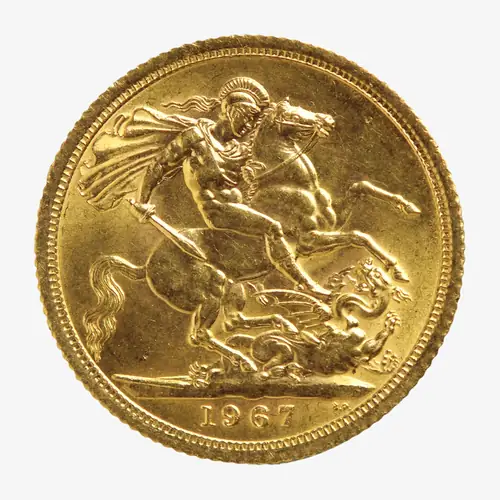
In 1489, the first sovereign was minted, commemorating the reign of Henry VII. To this day, it is still the flagship product of The Royal Mint, prized among collectors. In 1662, the mint switched from minting coins by hand to presses operated by horses. In 1696 Isaac Newton became Warden of the Mint, and in 1699 its Master. In 1922, the Royal Mint Advisory Committee was established to ensure the high standard of coins and medals minted.
The Royal Mint today
The mint strikes not only circulating coins but also collector and bullion products. Among the most popular products are the royal series and historical gold coins. The famous Britannia bullion coin series is available in sizes including:
- 1 ounce of gold,
- 1/2 ounce of gold,
- 1/4 ounce of gold,
- 1/10 ounce of gold,
- 1 ounce of silver,
- 1/4 ounce of silver,
- 1/10 ounce of silver,
- 1 kg of silver.
The Britannia and Royal Tudor Beasts series are also produced in .9995 platinum. The Royal Mint also offers silver, gold and platinum bars that are sourced from the highest purity bullion. In addition to cast bars, stamped bars are also available, such as:
- Britannia Gold - 100 g,
- Britannia Silver - 100 g,
- Christmas Gold - 1 g,
- The Royal Celebration Silver - 10 oz,
- Kaaba Gold - 20 g,
- Om Gold - 1 g.
The Royal Mint's range also includes colorful Star Wars™ collector coins.