The most popular bullion coins are also the most counterfeited. Pick a coin to see the genuine coin's official specifications (weight, dimensions, fineness), the mint's security features and the tests you can do at home.
Gold coins
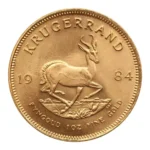 KrugerrandHow to spot a fake ›
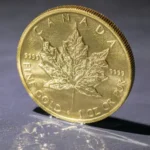 Gold Maple LeafHow to spot a fake ›
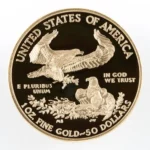 American Gold EagleHow to spot a fake ›
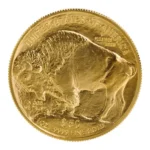 American Gold BuffaloHow to spot a fake ›
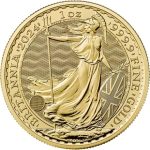 Gold BritanniaHow to spot a fake ›Gold Vienna PhilharmonicHow to spot a fake ›
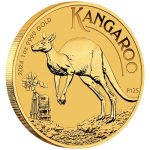 Gold KangarooHow to spot a fake ›
Silver coins
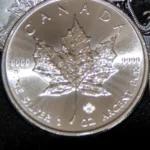 Silver Maple LeafHow to spot a fake ›
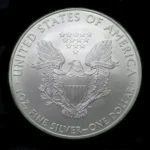 American Silver EagleHow to spot a fake ›
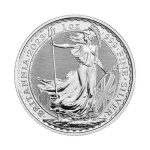 Silver BritanniaHow to spot a fake ›
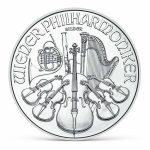 Silver Vienna PhilharmonicHow to spot a fake ›
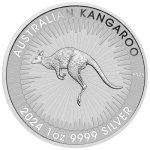 Silver KangarooHow to spot a fake ›
Tests that work for any coin
- Ping test (works best for silver): gently tap the coin against another coin. Genuine silver rings clearly for a second or two; a fake with a base-metal core sounds short and dull. It works best side by side with a coin you know is genuine.
- Look at the coin under a loupe and compare it with a genuine one: sharpness of the design, lettering, edge and the security features listed above.
- The most reliable non-destructive test is an electromagnetic or ultrasonic verifier (e.g. Sigma Metalytics). Many dealers have one, so ask them to test the coin when you sell.
No home test is 100% certain. The simplest protection is buying from a known dealer and, if in doubt, having the coin verified by a specialist.