The Royal Mint - history of the mint
The origins of the British mint date back to the 9th century. In 1279, the country's monetary policy was regulated and the coinage system was centralized, establishing a national mint in the Tower of London. The remaining mints were abolished, except for a few ecclesiastical and local centers.
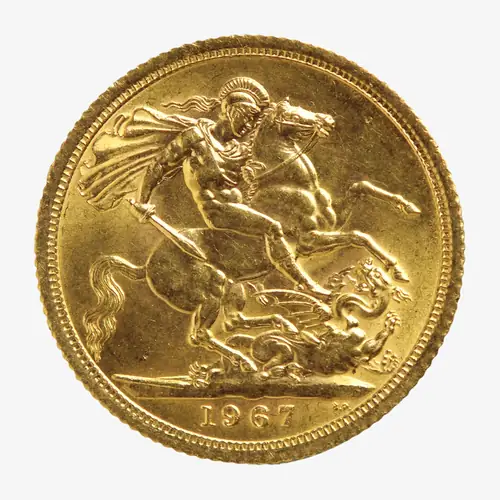
In 1489, the first sovereign was minted, commemorating the reign of Henry VII. To this day, it remains the flagship product of The Royal Mint and is prized among collectors. In 1662, the mint switched from minting coins by hand to presses operated by horses. A few years later, Isaac Newton became the head of the mint. In 1922, the Royal Mint Advisory Committee was established to ensure a high standard of minted coins and medals.
The Royal Mint today
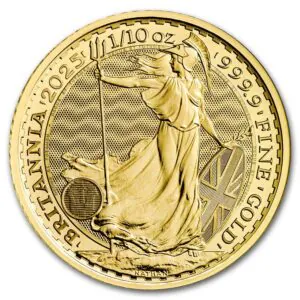
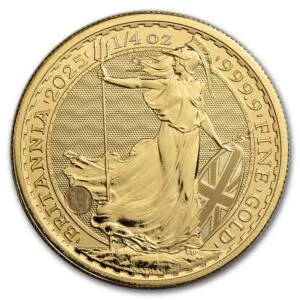
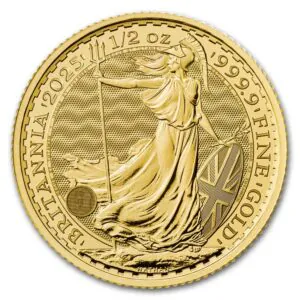
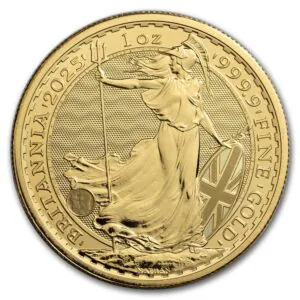
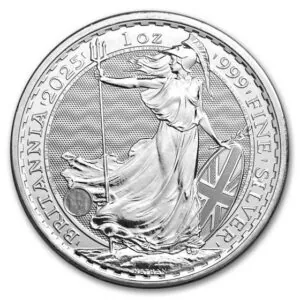
The mint mints not only circulating coins, but also collectors' and investment products. Among the most popular products are the royal series and historical gold coins. The famous Britannia series of bullion coins is available in, among others:
The Britannia and Royal Tudor Beasts series are also produced in 999.5 platinum. In addition, The Royal Mint has a range of silver, gold and platinum bars, which are sourced from the highest purity bullion. In addition to cast bars, stamped bars are also available, such as:
The Royal Mint's assortment also includes colorful Star Wars™ collector coins