Key Takeaways
- The short answer: a silver bar can weigh anything from 1 troy ounce (31.10 grams) to 1,000 troy ounces (about 31.1 kilograms, or 68.6 pounds). The most common US sizes are 1 oz, 10 oz and 100 oz.
- The big bank bar: the London Good Delivery silver bar holds about 1,000 troy ounces, 2.5 times the weight of a standard 400 oz gold bar.
- Ounce bars beat gram bars in the US: on November 16, 2026, the cheapest 100 g bar cost 20.7% over spot, while the cheapest 5 oz bar cost 2.2%.
- Bigger is not always cheaper: two 50 oz bars cost $61 less than one 100 oz bar in our data.
- The dealer matters a lot: the same 100 oz bar size ranged from 3.1% to 10.1% over spot on the same morning.
Ask ten people how much a silver bar weighs and you may get ten answers. Some picture a chocolate bar sized piece that fits in a wallet. Others think of the heavy bricks stacked in a bank vault. Both are right.
In this guide to silver bar sizes, we list every common weight, convert it to grams, troy ounces and pounds, and show what each size cost at five US dealers on November 16, 2026. All prices come from our silver bar price comparison, so you can see which sizes give you the most silver for your money.
Silver Bar Sizes at a Glance
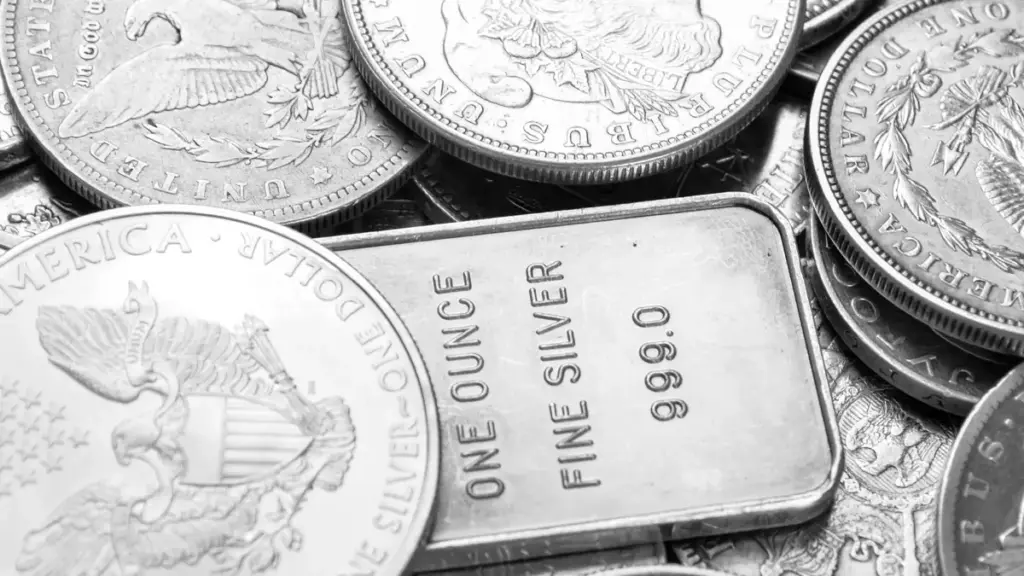
A silver bar is a piece of refined silver with its weight and purity stamped on it. Bars for private buyers are usually .999 fine, which means 99.9% pure silver. Some refiners go further and offer .9999 fine bars.
Silver is weighed in troy ounces. One troy ounce is 31.1034768 grams. The ounce on your kitchen scale (the avoirdupois ounce) is lighter, at 28.35 grams. So a 10 oz silver bar shows almost 11 ounces on a regular scale.
| Bar size | Grams | Troy ounces | Pounds | Silver value at spot |
|---|---|---|---|---|
| 1 oz | 31.10 | 1 | 0.069 | $47.57 |
| 100 g | 100 | 3.215 | 0.220 | $152.93 |
| 5 oz | 155.52 | 5 | 0.343 | $237.82 |
| 250 g | 250 | 8.038 | 0.551 | $382.31 |
| 10 oz | 311.03 | 10 | 0.686 | $475.65 |
| 500 g | 500 | 16.075 | 1.102 | $764.63 |
| 20 oz | 622.07 | 20 | 1.371 | $951.30 |
| 1 kg (kilo bar) | 1,000 | 32.151 | 2.205 | $1,529.25 |
| 50 oz | 1,555.17 | 50 | 3.429 | $2,378.25 |
| 100 oz | 3,110.35 | 100 | 6.857 | $4,756.50 |
| 1,000 oz (Good Delivery) | 31,103.48 | 1,000 | 68.571 | $47,565.00 |
Need the value of a different weight? Our silver melt value calculator does the math, and the silver price per gram chart shows the current rate.
How Much Does a Silver Bar Weigh?
It depends on which bar you mean. Most people who ask how much a bar of silver weighs have one of these in mind:
- the 1 oz bar, which weighs 31.10 grams, about the same as five quarters,
- the 10 oz bar, which weighs 311 grams, or about 0.69 pounds,
- the 100 oz bar, which weighs 3.11 kilograms, or about 6.9 pounds,
- the 1,000 oz bar that banks and the London market trade, which weighs about 31.1 kilograms, or 68.6 pounds.
Wait, five quarters? A modern US quarter weighs 5.67 grams, so five of them come to 28.35 grams, a little less than a troy ounce. It is a handy way to picture the weight, not an exact match.
How much does a 1,000 oz silver bar weigh?
The 1,000 oz bar is the standard silver bar of the wholesale market. Its rules are set by the LBMA, the trade body of the London bullion market. A Good Delivery silver bar must weigh 1,000 troy ounces with a tolerance of plus or minus 10%, so between 900 and 1,100 ounces. That is roughly 28 to 34 kilograms, or 62 to 75 pounds.
The bar must also be at least 999.0 parts per thousand fine. Older bars made before 2025 can be a bit lighter or heavier, because the LBMA used a wider weight range in the past. Every bar is weighed and stamped with its own gross weight, so no two are exactly alike.
How big is a 1,000 oz silver bar?
The LBMA gives permitted ranges rather than one fixed size:
| Dimension | LBMA Good Delivery range | In inches (approx.) |
|---|---|---|
| Length (top) | 300 mm ± 50 mm | 9.8 to 13.8 in |
| Width (top) | 130 mm ± 20 mm | 4.3 to 5.9 in |
| Height | 80 mm ± 20 mm | 2.4 to 3.9 in |
| Weight | 1,000 troy oz ± 10% | about 62 to 75 lb |
| Minimum fineness | 999.0 parts per thousand | 99.9% silver |
Compare that with gold. The LBMA’s gold bar is about 250 mm long and holds about 400 ounces, so the silver bar is both bigger and more than twice as heavy. Even so, at $47.565 per ounce on November 16, 2026, a 1,000 oz silver bar held about $47,565 worth of metal. A 400 oz gold bar, at the gold spot of $3,868.42 from the same check, held about $1.55 million, over 30 times more.
How much does a 100 oz silver bar weigh?
A 100 oz silver bar contains 100 troy ounces of fine silver, which is 3,110 grams, or about 6.9 pounds. That is a little less than a gallon of milk. Many 100 oz bars are poured (cast) bars, and in our US data they came from makers such as ABC Bullion and from dealers’ own generic lines.
How much does a 10 oz silver bar weigh?
A 10 oz bar weighs 311.03 grams, or 0.69 pounds. On a kitchen scale it shows about 11 ounces. It is one of the most popular sizes in the US, because it is large enough to keep premiums down and small enough to sell easily.
Read also: Troy Ounce: Definition, History, and Conversion Table
Retail Silver Bar Sizes Explained
Silver bars come in two families. Imperial bars are measured in troy ounces, which is what most US dealers stock. Metric bars are measured in grams and kilos, which is common with European refiners such as Germania Mint and Heraeus.
Small silver bars: 1 oz to 100 g
The 1 oz silver bar is the entry size. At about $50 per bar in our November 16, 2026 data, it suits first purchases, gifts and stacking a little at a time. The 100 gram silver bar is the metric step up, at a bit more than 3 ounces.
Mid-size silver bars: 5 oz to 1 kg
Here you find the 5 oz, 10 oz and 20 oz bars, plus the metric 250 g, 500 g and 1 kilo silver bars. A kilo bar weighs 2.2 pounds and holds 32.15 ounces of silver. These sizes are where many investors settle once they buy regularly.
Large silver bars: 50 oz, 100 oz and 1,000 oz
Large bars are for buyers who move a lot of money into silver at once. The 100 oz bar is the biggest size most people keep at home. The 1,000 oz bar is a wholesale product, but a few US dealers do list it for private clients.
Think about weight before you go big. A 1,000 oz bar weighs about 68 pounds. Moving it needs two hands and a strong back.
Poured vs minted silver bars
Bars are made in one of two ways:
- Poured (cast) bars: molten silver is poured into a mold. Each bar looks a bit different, with a rough surface and soft edges. Large 50 oz, 100 oz and 1,000 oz bars are usually made this way.
- Minted bars: a silver strip is cut to an exact weight and struck with a design, like a coin. They look polished and are common in 1 oz to 10 oz sizes.
Neither type holds more silver than the other. A 10 oz poured bar and a 10 oz minted bar both contain 10 troy ounces of fine silver, as stamped on the bar.
What Each Silver Bar Size Really Costs
No dealer sells silver at the spot price. Every bar costs more than the silver inside it, and that extra is the premium over spot. It pays for refining, minting, packaging, shipping and the dealer’s margin.
Here is how we calculate it:
- Silver value = spot price × troy ounces of fine silver
- Premium in % = (price you pay − silver value) ÷ silver value × 100
Example: a 10 oz Mason Mint bar cost $494.90 at Gainesville Coins on November 16, 2026. Spot was $47.565, so the silver inside was worth $475.65. The premium was $19.25, or 4.0%.
Silver bar prices by size
So what did each size cost at the US dealers we track? Here is the full picture from one check, with all prices taken at the same time:
| Bar size | Offers | Price range | Premium over spot | Lowest price per ounce |
|---|---|---|---|---|
| 1 oz | 5 | $50.01 to $53.56 | 5.1% to 12.6% | $50.01 |
| 100 g | 2 | $184.58 to $206.32 | 20.7% to 34.9% | $57.41 |
| 5 oz | 4 | $243.15 to $266.29 | 2.2% to 12.0% | $48.63 |
| 250 g | 3 | $420.70 to $485.58 | 10.0% to 27.0% | $52.34 |
| 10 oz | 5 | $494.90 to $533.75 | 4.0% to 12.2% | $49.49 |
| 500 g | 3 | $825.74 to $921.80 | 8.0% to 20.6% | $51.37 |
| 20 oz | 3 | $970.60 to $1,022.34 | 2.0% to 7.5% | $48.53 |
| 1 kg | 3 | $1,613.15 to $1,673.25 | 5.5% to 9.4% | $50.17 |
| 50 oz | 4 | $2,421.50 to $2,605.75 | 1.8% to 9.6% | $48.43 |
| 100 oz | 5 | $4,904.00 to $5,239.14 | 3.1% to 10.1% | $49.04 |
| 1,000 oz | 2 | $48,360.00 to $52,944.45 | 1.7% to 11.3% | $48.36 |
One pattern stands out. Every metric size (100 g, 250 g, 500 g and 1 kg) cost more over spot than the ounce sizes around it. The cheapest 250 g bar cost 10.0% over spot, while the cheapest 5 oz and 10 oz bars cost 2.2% and 4.0%.
Why do gram bars cost more in the US?
Part of the answer is probably supply. US buyers think in troy ounces, so dealers stock far more ounce bars than gram bars. In our data, each metric size had only two or three offers, while most ounce sizes had four or five. Fewer competing offers usually mean higher premiums.
What does this mean for you? If you buy silver bars from a US dealer, ounce sizes gave you more silver per dollar on November 16, 2026. A gram bar only made sense if you wanted that exact brand or size.
Why do small silver bars cost more per ounce?
Making a 1 oz bar costs almost as much as making a 10 oz bar. The mint still has to cut it, strike it, check it and pack it. That fixed cost is spread over just one ounce of silver.
Silver is also cheap per ounce compared with gold. Say a bar costs $3 to make. On a silver bar worth $48, that is over 6% of the price. On a gold bar worth thousands of dollars, the same $3 barely shows. That is why silver premiums run higher than gold premiums in general.
Read also: Silver Bars vs Coins: Which Should You Buy?
Buying 100 Ounces of Silver: One Bar vs Smaller Bars
Let’s make the size question concrete. Say you want 100 ounces of silver. You can buy one 100 oz bar, or split the same weight into smaller bars. Here is what each route cost at the cheapest dealer in our data:
Buying 100 one-ounce bars cost $5,001.00. That is $97 more than a single 100 oz bar and $244.50 above the silver value. But the next result surprised us. Two 50 oz bars cost $4,843.00, which was $61 cheaper than one 100 oz bar. Twenty 5 oz bars and five 20 oz bars also came in below the 100 oz bar.
So is the biggest bar the best deal? Not on this day. Premiums move with dealer stock and promotions, and a size that is cheap today can be average next month. That is why we check prices instead of trusting rules of thumb. Splitting your silver into a few 5 oz, 20 oz or 50 oz bars also makes it easier to sell part of it later.
Which Silver Bar Size Should You Buy?
The best silver bar size depends on your budget, your storage and how you plan to sell. Here is a simple guide:
| Size | Good for | Pros | Cons |
|---|---|---|---|
| 1 oz | First purchase, gifts, small budgets | Low entry price, easy to sell one at a time | Highest premium among ounce sizes, from 5.1% in our data |
| 5 oz to 20 oz | Regular buyers | Low premiums, from 2.0% to 4.0% in our data | Fewer brands to choose from |
| Gram bars (100 g to 1 kg) | Buyers who want a specific European brand | Familiar sizes for metric buyers | Premiums from 5.5% to over 20% at US dealers |
| 50 oz to 100 oz | Larger purchases, long-term holders | Low premiums, from 1.8% to 3.1% | Heavy, harder to sell in small parts |
| 1,000 oz | Very large purchases, vault storage | Lowest premium, from 1.7% | About 68 pounds, needs professional storage |
Choose 1 oz bars if:
- you are buying silver for the first time,
- you want to give silver as a present,
- you want to sell in very small parts later.
Choose 5 oz to 20 oz bars if:
- you buy silver every month or every few months,
- you want a low premium without a heavy single bar,
- you store your silver at home.
Choose 50 oz to 100 oz bars if:
- you put a larger sum into silver at once,
- you plan to hold for many years,
- you have a safe that can take the weight and the size.
Brand counts too. Bars from well-known refiners are easier to resell, and a clear stamp of weight and fineness saves time when you sell. Our guide to silver purity and fineness explains what the numbers on a bar mean.
Storing, Selling and Taxing Silver Bars
Silver takes up far more room than gold for the same money. That changes how you store and sell it.
How much space does silver take?
A lot more than most buyers expect. At the prices in our data, $10,000 bought about 200 ounces of silver, which is two 100 oz bars weighing almost 14 pounds together. The same $10,000 in gold fits in your palm. If you plan to buy silver in thousands of ounces, plan your storage first. Our gold and silver storage guide compares home safes, bank boxes and private vaults.
Reselling silver bars
Dealers buy silver back below their selling price. The gap between the two prices is the bid-ask spread. Known brands with clear stamps are the easiest to sell. A bar from an unknown maker may need testing first, which takes time and can lower the offer.
Large bars have one more catch. If you need $500, you cannot sell a tenth of a 100 oz bar. You sell the whole bar or nothing.
Tax on silver bars in the US
The IRS treats physical silver as a collectible. Long-term gains on collectibles are taxed at a maximum federal rate of 28%, as explained in IRS Tax Topic 409. The size of the bar does not change this rule. Sales tax at purchase depends on your state, and our glossary entry on precious metals sales tax covers the basics.
How the Silver Price Moved in the Last 12 Months
Bar weights stay the same. Their value does not. A 100 oz bar held $4,872 worth of silver on November 1, 2025, $9,398 on March 1, 2026, and $4,992 on November 1, 2026.
On November 16, 2026, the spot price was $47.565 at the time of our dealer check. You can follow the live price on our silver price chart or see it per kilo on the silver price per kilogram page. The gold silver ratio chart shows how silver moved against gold.
Summary: Silver Bar Sizes
| Point | What our data shows |
|---|---|
| Most common US sizes | 1 oz (31.10 g), 10 oz (311 g) and 100 oz (3.11 kg) |
| Standard bank bar | 1,000 oz, about 31.1 kg or 68.6 lb |
| Cheapest sizes over spot | 1,000 oz (1.7%), 50 oz (1.8%) and 20 oz (2.0%) |
| Most expensive sizes over spot | Gram bars, from 5.5% (1 kg) to 20.7% (100 g) |
FAQ: Silver Bar Sizes
What are the standard silver bar sizes?
The standard retail silver bar sizes in the US are 1 oz, 5 oz, 10 oz, 20 oz, 50 oz and 100 oz, plus metric 100 g, 250 g, 500 g and 1 kg bars. The standard bar for banks is the 1,000 oz London Good Delivery bar.
How much does a silver bar weigh in pounds?
A 1,000 oz silver bar weighs about 68.6 pounds, a 100 oz bar about 6.9 pounds and a 10 oz bar about 0.69 pounds. A 1 kg silver bar weighs 2.2 pounds.
How much is a 100 oz silver bar worth?
A 100 oz silver bar held $4,756.50 worth of silver at the spot price of $47.565 on November 16, 2026. The cheapest 100 oz bar at US dealers in our data cost $4,904.00.
How much does a 1 kg silver bar weigh in ounces?
A 1 kg silver bar weighs 32.15 troy ounces. On a kitchen scale, which uses regular ounces, it shows about 35.3 ounces.
What is the best size silver bar to buy?
For most US buyers, 5 oz to 50 oz bars offer the best balance of low premium and flexibility. In our data these sizes started between 1.8% and 4.0% over spot.
Is a 1,000 oz silver bar too heavy to carry?
No, one adult can lift a 1,000 oz bar, but at about 68 pounds it is heavy and awkward. Most of these bars stay in professional vaults.
Do all 10 oz silver bars have the same size?
No, all 10 oz bars hold the same amount of silver, but their length, width and thickness differ by maker. Poured bars are usually thicker and shorter than minted bars.
Compare Silver Bar Prices Before You Buy
The spot price is the same for everyone, but the premium is not. On the same morning, a 100 oz bar cost $4,904.00 at one dealer and $5,239.14 at another. That is a gap of $335.14 for the same weight of silver.
Metals Radar compares prices from US bullion dealers and does not sell metal. Start with our silver bar prices, check silver coin prices if you are weighing coins against bars, or browse our list of bullion dealers.
This article is for informational purposes only and is not investment or tax advice.
Was this article helpful?
Thanks for your feedback!