History of the United States Mint
The national United States Mint was established under the Coinage Act in 1792. The act, passed by Congress, regulated the production of gold, silver and copper coins. The building of the first mint was located in Philadelphia, then the capital.
When the gold rush began in the 19th century, the Philadelphia mint could not keep up. Therefore, Congress decided to establish additional branches in Charlotte, Dahlonega and New Orleans. In 1836, steam engines appeared at the mints, which helped increase the number of coins minted. Other branches of the national mint were established in San Francisco and Denver. In 1864 the motto “In God We Trust” first appeared on a U.S. coin, and in 1892 the mint issued the first commemorative coin. Gold coins stopped circulating in 1933, and the Coinage Act of 1965 removed silver from dimes and quarters, which have been made of copper-nickel clad metal since then.
United States Mint today
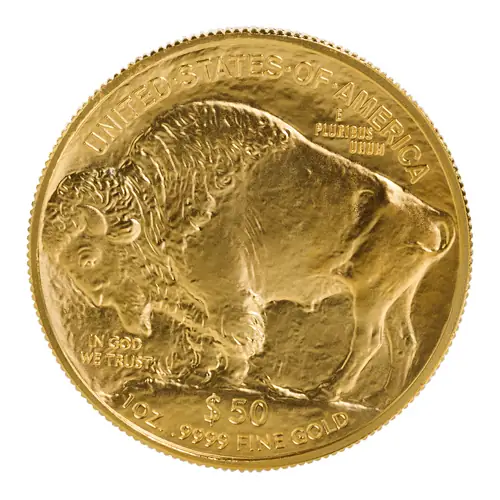
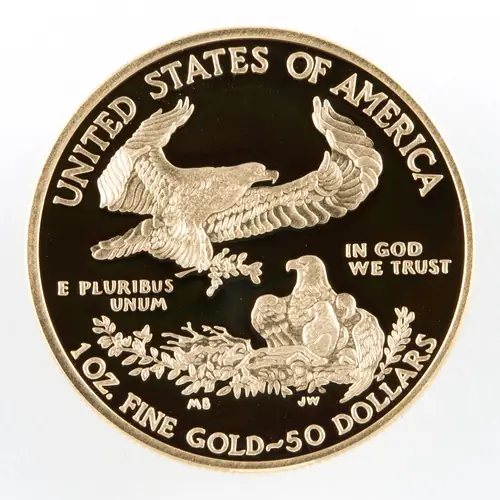
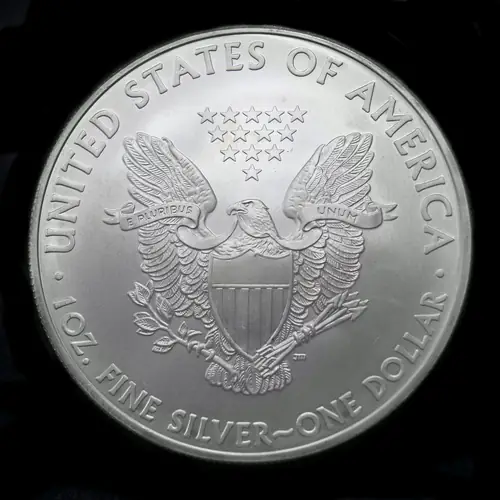
The United States Mint today is an entity under the United States Department of the Treasury. It is responsible for the production of domestic circulation coins and supplies them to Federal Reserve banks. In addition, it mints collector coins, bullion coins and medals.
The United States Mint regularly releases commemorative coins. In 2024 it issued a series honouring Harriet Tubman. Other collector coins available include the series:
- America the Beautiful Quarters®,
- American Buffalo,
- American Eagle,
- American Liberty,
- American Women Quarters™,
- Native American one-dollar coins.
Also very popular are series with U.S. presidents and medals referencing U.S. history. A special category of United States Mint products are military medals, commemorating military veterans.